Showing posts with label intake. Show all posts

3-gram reduction in daily salt intake would decrease coronary heart disease, stroke, and death

The U.S. diet is high in salt, with the majority coming from processed foods. Reducing dietary salt is a potentially important target for the improvement of public health.

Reducing dietary salt by 3 g per day (1200 mg of sodium per day) is projected to reduce the annual number of new cases of CHD by 60,000 to 120,000, stroke by 32,000 to 66,000, and myocardial infarction by 54,000 to 99,000 and to reduce the annual number of deaths from any cause by 44,000 to 92,000. Such an intervention would be more cost-effective than using medications to lower blood pressure in all persons with hypertension.

The cardiovascular benefits of reduced salt intake are on par with the benefits of population-wide reductions in tobacco use, obesity, and cholesterol levels.

References:

Projected Effect of Dietary Salt Reductions on Future Cardiovascular Disease. NEJM, 2010.
http://content.nejm.org/cgi/content/short/362/7/590
Sweat Bees prefer sweaty people because the human diet is so salty that their perspiration is saturated with that essential nutrient. WSJ, 2012.
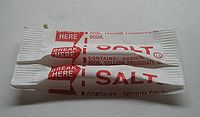
Image source: Single-serving salt packets. Wikipedia, GNU Free Documentation License.

Diet: For every 1% increase in omega-3 intake, HDL levels rise by 2.5 mg/dL

HDL levels lower than 40 mg/dL are considered a risk factor for heart disease, while levels of 60 mg/dL or higher are thought to be optimal.

Omega-3 fats, for instance, have been linked to lower risks of age-related vision loss and dementia among older adults.

Fish Oil Comes from “The Most Important Fish in the Sea”: Menhaden

Nearly every fish a fish eater likes to eat eats menhaden (shown here). Bluefin tuna, striped bass, redfish and bluefish are just a few of the diners at the menhaden buffet. All of these fish are high in omega-3 fatty acids but are unable themselves to synthesize them. The omega-3s they have come from menhaden.

References:

Diet changes improve older adults' cholesterol too | Reuters.
http://www.reuters.com/article/idUSTRE61I49N20100219
Monounsaturated fats found in vegetable oils, nuts and avocados increase "good" HDL cholesterol levels by 12% http://goo.gl/GBQa5
How We Eat: Analyzing Half a Million Meals - 5 INFOGRAPHICS
Image source: Menhaden B. tyrannus from the Chesapeake Bay. Wikipedia, Brian.gratwicke, Creative Commons Attribution 2.5 License.

A NYTimes skeptic doubts that decreasing salt intake would have any benefits (it may even hurt)


From the NYtimes:

"The harder the experts try to save Americans, the fatter we get. Officials responded by advising Americans to shun fat, which became the official villain of the national dietary guidelines during the 1980s and 1990s. The anti-fat campaign definitely made an impact on the marketing of food, but as we gobbled up all the new low-fat products, we kept getting fatter. Eventually, in 2000, the experts revised the dietary guidelines and conceded that their anti-fat advice may have contributed to diabetes and obesity by unintentionally encouraging Americans to eat more calories.

“When you reduce salt, you reduce blood pressure, but there can also be other adverse and unintended consequences. As more data have accumulated, it’s less and less supportive of the case for salt reduction, but the advocates seem more determined than ever to change policy.”

References:

Findings - When It Comes to Salt, No Rights or Wrongs. Yet. - NYTimes.com.
3-gram reduction in daily salt intake would decrease coronary heart disease, stroke, and death
Sweat Bees prefer sweaty people because the human diet is so salty that their perspiration is saturated with that essential nutrient. WSJ, 2012.
Image source: Single-serving salt packets. Wikipedia, GNU Free Documentation License.