Showing posts with label Effects. Show all posts

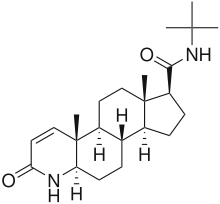
Persistent Sexual Side Effects Related to Finasteride (Popecia) Use for Male Hair Loss

Finasteride (Propecia) has been associated with reversible adverse sexual side effects in multiple trials for the treatment of male pattern hair loss (MPHL).

This study included 71 otherwise healthy men aged 21–46 years who reported new onset of sexual side effects associated with the temporal use of finasteride, and in which the symptoms persisted for 3 months despite the discontinuation of finasteride.

Patients reported the following new-onset persistent sexual dysfunction associated with the use of finasteride:

- 94% developed low libido
- 92% developed erectile dysfunction
- 92% developed decreased arousal
- 69% developed problems with orgasm

The mean duration of finasteride use was 28 months and the mean duration of persistent sexual side effects was 40 months from the time of finasteride cessation to the interview date.

Physicians treating MPHL should discuss the potential risk of persistent sexual side effects associated with finasteride

Minoxodil - Costco
Minoxodil - Costco.

References:

Persistent Sexual Side Effects of Finasteride for Male Pattern Hair Loss. Michael S. Irwig MD, Swapna Kolukula. The Journal of Sexual Medicine, 2011.
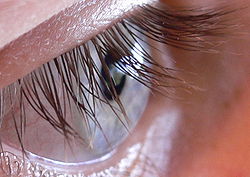
Glaucoma eye drops drug Latisse used OTC to make long eyelashes but some now face side effects

From the NYTimes:

Latisse is the same formula as Lumigan, Allergan’s eyedrops for glaucoma, which reduces eye pressure but also happens to grow lashes. Both are also known as bimatoprost ophthalmic solution. In early 2009, Allergan introduced the drug as a lash enhancer.

A former primary care doctor runs www.latisse.bz, which boasts that it is the “largest Latisse retailer.” All it takes to get Latisse mailed out — without ever seeing him — is filling out a medical history, which he reviews, and typing in a valid credit card number.

But if people use Latisse without seeing a doctor, the side effects may come as a big surprise.

Eyelid discoloration “may be reversible” according to the manufacturer. A rare side effect that has captured the most attention is the chance that one’s hazel or blue eyes could turn brown — forever.

Image source: Eyelashes, Wikipedia, Steve Jurvetson, Creative Commons Attribution 2.0 Generic license.

Promise of Prevention: Effects of 4 Risk Factors on U.S. Life Expectancy and Disparities

This analysis included 4 preventable risk factors:

- smoking
- high blood pressure
- elevated blood glucose
- adiposity

The researchers estimated the effects of these 4 preventable risk factors on national life expectancy and on disparities in life expectancy and disease-specific mortality among 8 subgroups of the US population (the “Eight Americas”). The groups were defined on the basis of race, location and socioeconomic characteristics of county of residence, in 2005.

Who has the lowest number of risk factors?

Asians had the lowest mean body mass index, fasting plasma glucose, and smoking; whites had the lowest systolic blood pressure (SBP).

Who has the highest number of risk factors?

Systolic blood pressure (SBP) was highest in blacks, especially in the rural South - 5-7 mmHg higher than whites. The other three risk factors were highest in Western Native Americans, Southern low-income rural blacks, and/or low-income whites in Appalachia and the Mississippi Valley.

How much shorter is life expectancy if you have the risk factors?

These 4 risk factors reduced life expectancy at birth by 5 years in men and 4 years in women.

Life expectancy effects were smallest in Asians (M, 4.1 y; F, 3.6 y) and largest in Southern rural blacks (M, 6.7 y; F, 5.7 y).

Smoking and high blood pressure had the largest effect on life expectancy disparities.

Disparities in the 4 risk factors (smoking, blood pressure, blood glucose, and adiposity) explain a significant proportion of disparities in mortality from cardiovascular diseases and cancers. They also explain some of the life expectancy disparities in the US.

References:
Danaei G, Rimm EB, Oza S, Kulkarni SC, Murray CJL, et al. (2010). The Promise of Prevention: The Effects of Four Preventable Risk Factors on National Life Expectancy and Life Expectancy Disparities by Race and County in the United States. PLoS Med 7(3): e1000248. doi:10.1371/journal.pmed.1000248
Image source: Wikipedia, public domain.