Showing posts with label alcohol. Show all posts

Alcohol consumption and raised body mass index (BMI) act together to increase risk of liver disease

Drinkers of 15 or more units per week in any BMI category and obese drinkers had raised relative rates for all definitions of liver disease, compared with underweight/normal weight non-drinkers.

The relative excess risk due to interaction between BMI and alcohol consumption was 5.58.

Raised BMI and alcohol consumption are both related to liver disease, with evidence of a supra-additive interaction between the two.

The occurrence of both factors in the same populations should inform health promotion and public health policies.

References:

Effect of body mass index and alcohol consumption on liver disease: analysis of data from two prospective cohort studies. BMJ 2010;340:c1240.
Alcohol literally kills: Gary Moore had 380mg/dL in his blood, Winehouse 416mg/dL when she died surrounded by 3 empty vodka bottles. Telegraph UK, 2012
Image source: Wikipedia, public domain.

Effect of deployment on mental health of soldiers: common disorders and alcohol misuse more frequent than PTSD

This Lancet study examined the consequences of deployment to Iraq and Afghanistan on the mental health of UK armed forces from 2003 to 2009.

9990 (56%) participants completed the study questionnaire (roughly 8000 regulars, 1700 reservists).

The prevalence was:

- 19·7% for symptoms of common mental disorders
- 13% for alcohol misuse
- 4% for post-traumatic stress disorder (PTSD)

Deployment to Iraq or Afghanistan was significantly associated with alcohol misuse for regulars (odds ratio 1·22) and with post-traumatic stress disorder (PTSD) for reservists (2·83)

Symptoms of common mental disorders and alcohol misuse remain the most frequently reported mental disorders in UK armed forces personnel, whereas the prevalence of post-traumatic stress disorder (PTSD) was low.

References:
Image source: The Los Angeles Times.

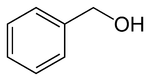
New Treatment Effective in Killing Head Lice - benzyl alcohol lotion 5% (Ulesfia)

From WebMD:

A new prescription lotion (Ulesfia) with benzyl alcohol treats head lice and is effective and safe for children as young as 6 months. The study shows it works by suffocating lice, a method that has long been tried with limited success using messy substances like petroleum jelly, olive oil, and even mayonnaise.

Overnight "home remedies" such as mayonnaise merely appear to kill lice, but don't because the bugs are able to close their spiracles long enough to survive. This is called the "resurrection effect" because, after rinsing, the lice thought to be dead are able to open their breathing spiracles and start biting again.

Existing over-the-counter head lice treatments contain neurotoxic pesticides as active ingredients, resulting in potential toxicity and other problems, including lengthy applications, odor and ineffectiveness.

References:
Losing the Lice Without Losing Your Wallet. NYTimes, 2010.
Image source: Benzyl alcohol, Wikipedia, public domain.

Updated: 05/28/2010
Alternative to alcohol - BBC video

Alternative to alcohol - BBC video

Psychologist and addiction expert Dr John Marsden takes part in a radical experiment as he trials an non-addictive drug alternative to alcohol:


A single injection reverses the 'drug' alternative to alcohol and Dr John Marsden is left to reflect on whether this is indeed be the way forward in reducing alcohol dependency in future generations:


Twitter comments:

@yayayarndiva (P. Mimi Poinsett MD): How about water? -- Searching for non-addictive alternative to alcohol - BBC video http://goo.gl/KYtss

Alcohol literally kills: Gary Moore had 380mg/dL in his blood, Winehouse 416mg/dL when she died surrounded by 3 empty vodka bottles. Telegraph UK, 2012