
Showing posts with label Diet:. Show all posts
Don’t just swallow, check the evidence first - it applies to diet,
medications, and more

Don’t just swallow, check the evidence first - it applies to diet, medications, and more

The wrong approach

According to the food conglomerate Danon: “Evidence is increasing that even mild dehydration plays a role in the development of various diseases.” It’s a campaign, sponsored by the producers of Volvic, Evian, and Badoit bottled waters, to get us all to drink more water.

But what and where is this evidence? A doctor replies: “This is not only nonsense, but is thoroughly debunked nonsense.”

The right approach

Worried by the fact that European guidelines classified almost all older people as being at high risk of cardiovascular disease, Norway has developed its own guidelines that use differential risk thresholds according to age.

Compared with the European guidelines, the total sum of life gained is about the same, but the number of patients treated is considerably lower.

How does clinical evidence work?


Ben Goldacre's Moment of Genius on BBC4 radio:

"Clinical trials in medicine are designed to be free from bias. They test, as objectively as possible, the effectiveness of a particular intervention.

When you bring the results of all these individual trials together, however, how do you weigh up what evidence is relevant and what is not? In 1993, a method of "systematic review" was introduced that enables us to get the clearest possible view of the evidence."

References:

Don’t just swallow, check the evidence first. Godlee 343. BMJ, 2011.

Image source: Plastic bottles before processing. Wikipedia, dierk schaefer, Creative Commons Attribution 2.0 License.
Video: "Help Your Heart With the Mediterranean Diet"

Video: "Help Your Heart With the Mediterranean Diet"

Diet: For every 1% increase in omega-3 intake, HDL levels rise by 2.5 mg/dL

HDL levels lower than 40 mg/dL are considered a risk factor for heart disease, while levels of 60 mg/dL or higher are thought to be optimal.

Omega-3 fats, for instance, have been linked to lower risks of age-related vision loss and dementia among older adults.

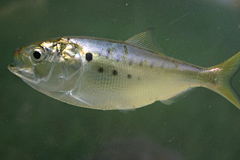
Fish Oil Comes from “The Most Important Fish in the Sea”: Menhaden

Nearly every fish a fish eater likes to eat eats menhaden (shown here). Bluefin tuna, striped bass, redfish and bluefish are just a few of the diners at the menhaden buffet. All of these fish are high in omega-3 fatty acids but are unable themselves to synthesize them. The omega-3s they have come from menhaden.

References:

Diet changes improve older adults' cholesterol too | Reuters.
http://www.reuters.com/article/idUSTRE61I49N20100219
Monounsaturated fats found in vegetable oils, nuts and avocados increase "good" HDL cholesterol levels by 12% http://goo.gl/GBQa5
How We Eat: Analyzing Half a Million Meals - 5 INFOGRAPHICS
Image source: Menhaden B. tyrannus from the Chesapeake Bay. Wikipedia, Brian.gratwicke, Creative Commons Attribution 2.5 License.