Showing posts with label people. Show all posts
Blogging is good for you - and for most people who read blogs

Blogging is good for you - and for most people who read blogs

From The Economist:

"Academic papers cited by bloggers are far more likely to be downloaded. Blogging economists are regarded more highly than non-bloggers with the same publishing record.

The back-and-forth between bloggers resembles the informal chats, in university hallways and coffee rooms, that have always stimulated economic research, argues Paul Krugman, a Nobel-prize winning economist who blogs at the New York Times. But moving the conversation online means that far more people can take part.

Despite the low barriers to entry, blogs do impose some intellectual standards. Errors of fact or logic are spotted, ridiculed and corrected. Areas of disagreement are highlighted and sometimes even narrowed."

Similar dynamics are in work on many medical blogs authored by physicians.

WIN-WIN, as the author of the blog "The Happy Hospitalist" likes to say.

References:

Economics blogs. A less dismal debate. The Economist, 01/2011.
87% of people older than 50 took one or more drug, according to
Australian survey

87% of people older than 50 took one or more drug, according to Australian survey

A postal survey included a random sample of 4,500 Australians aged ≥ 50 years between in 2009-2010 and the response rate was 37%.

Medications use was very common, 87% of participants took one or more drug (called medicines in Australia) and 43% took five or more in the previous 24 hours.

Complementary medicines were used by 46% of participants.

The most commonly used medications were:

- antihypertensive agents, 43% of participants
- natural marine and animal products including fish oil and glucosamine, 32%
- lipid-lowering agents, 30%

Doctors recommended 79% of all medications and 93% of conventional medications.

Much medicines use was to prevent future disease by influencing risk factors.

In a 2011 study, 4 medication classes were linked to 67% of drug-related hospitalizations:

- warfarin, 33%
- insulins, 14%
- oral antiplatelet agents, 13%
- oral hypoglycemic agents, 11%

High-risk medications were implicated in only 1.2% of hospitalizations.

50% of these hospitalizations were among adults 80 years of age or older. 65% of hospitalizations were due to unintentional overdoses.

Classification of adverse reactions to drugs: "SOAP III" mnemonic (click to enlarge the image):


Adverse drug reactions (ADRs) affect 10–20% of hospitalized patients and 25% of outpatients.

Rule of 10s in ADR:

10% of patients develop ADR
10% of these are due to allergy
10% of these lead to anaphylaxis
10% of these lead to death

References:

A national census of medicines use: a 24-hour snapshot of Australians aged 50 years and older. Tessa K Morgan, Margaret Williamson, Marie Pirotta, Kay Stewart, Stephen P Myers and Joanne Barnes. MJA 2012; 196 (1): 50-53, doi: 10.5694/mja11.10698

4 medication classes linked to 67% of drug-related hospitalizations

Image source: Wikipedia, public domain.
7 healthy traits linked to lower death risk but only 2% of people have
all 7 - are you one of them?

7 healthy traits linked to lower death risk but only 2% of people have all 7 - are you one of them?

People who meet the 7 healthy goals recommended by the American Heart Association are less likely to die of cardiovascular causes.

Here there are:

- not smoking
- moderate exercise at least 5 times a week
- untreated blood pressure under 120/80
- HbA1c under 5.7%
- total cholesterol under 200 mg/dL
- BMI less than 25
- a diet high in produce, fish, and whole grains, and low in sodium and sugary beverages

Less than 2% of people reached all 7 ideals.

Those who met 6-7 goals had reduced risks for all-cause mortality (hazard ratio, 0.49), compared with participants meeting zero or one goal.

References:

Healthy Habits Associated with Reduced Mortality Risk - Physician's First Watch http://bit.ly/N9x8ha
Trends in Cardiovascular Health Metrics and Associations With All-Cause and CVD Mortality Among US Adults - JAMA http://bit.ly/N9xzYO
Image source: OpenClipart.org, public domain.

People Treat Computers and New Media as Real People and Places

A few excerpts from the articles linked below:

Study: multitaskers are terrible at every aspect of multitasking. Multitasking may be creating people who are unable to think well and clearly.

People relate to technological devices socially (as if they are people), and those interactions affect others. Technology and people: Do we have to bring back the saying ‘Look at me when I talk to you’?

Japanese nurse robot - ACTROID-F (video):


References:

Clifford Nass, Who Warned of a Data Deluge, Dies at 55 - NYTimes.com http://nyti.ms/16VGF7m

College admission officers: They Loved Your G.P.A. Then They Saw Your Tweets. 30% college admissions officers said discovered information online that negatively affected an applicant’s prospects http://buff.ly/1dYeTt4

Real doctors, real people: from beekeeper to "tough mudder"

Dr. Jonathan Kirsch, a hospitalist at UNC Health Care, is also a beekeeper. He enjoys both the honey and the benefit of pollinated fruit trees and hand-picked fruit.


A team from the UNC Bone Marrow and Stem Cell Transplant Program headed up by Tippu Khan, PharmD, BCOP and Nicole Frazier, RN, BSN participated in an epic journey which included leaping over fire, trekking through waste-high mud, tossing spears, dodging attacks and most of all braving near freezing temperatures in the driving rain. What is all this about? It's the Spartan Race, an event of pure primitive craziness that promises it's participants an experience they'll never forget.


Related:

real doctors, real people - Oliver Smithies - YouTube http://buff.ly/1l8Vcor
People on statins are 9% more likely to develop diabetes according to a
meta-analysis

People on statins are 9% more likely to develop diabetes according to a meta-analysis

From Reuters:

This small risk is outweighed by the drugs' heart-protecting properties but it could prompt a rethink among those with low cardiovascular risk factors who are tempted to take statins to prevent future heart disease.

"It will stop us putting statins in the water, as it were, and mean we give them when appropriate for the right reasons."

Lovastatin, a compound isolated from Aspergillus terreus, was the first statin to be marketed for lowering cholesterol. Image source: Wikipedia, public domain.

Statins are among the most successful drugs of all time and have been credited with preventing millions of heart attacks and strokes.

This Lancet meta-analysis included 13 large randomised controlled trials involving more than 91,000 patients.

Treating 255 patients with statins for 4 years would result in only one extra case of diabetes.

Giving statins to the same group would avoid 5.4 deaths or heart attacks over 4 years, and nearly the same number of strokes.

Clinical practice in patients with moderate or high cardiovascular risk or existing cardiovascular disease should not change.

References:
http://www.thelancet.com/journals/lancet/article/PIIS0140-6736(09)61965-6/fulltext

http://www.reuters.com/article/idUSTRE61G00P20100217

Related:
Statins Don't Cause Diabetes. Dr. Mintz' Blog.
Cheap fast food "enticing people to eat more because they think they're
saving money when they're really buying heart disease"

Cheap fast food "enticing people to eat more because they think they're saving money when they're really buying heart disease"


"Fake foods are more affordable. It's enticing people to eat more because they think they're saving money when they're really just buying heart disease."

References:
10 Questions for Jillian Michaels. TIME, 2010.
People who "drink heavily every so often" are 45% more likely to
develop coronary heart disease

People who "drink heavily every so often" are 45% more likely to develop coronary heart disease

Occasional heavy drinking was defined as having 5 or more standard drinks in a day at least 12 times per year. "Regular" heavy drinkers - those who averaged at least 5 drinks per day, were excluded from the analysis.

In general, moderate drinking - a drink or two per day - is considered a potentially heart-healthy habit. A number of studies have found that moderate drinkers have lower risks of heart disease than teetotalers do.

Research suggests that alcohol can increase "good" HDL cholesterol, has anti-inflammatory effects in the blood vessels and may make the blood less prone to clotting.

On the other hand, regular heavy drinking may increase blood pressure, promote blood clotting and contribute to development of arrhythmias.

References:

Occasional binges may undo alcohol's heart benefits. Reuters, 2010.
Monounsaturated fats found in vegetable oils, nuts and avocados increase "good" HDL cholesterol levels by 12% http://goo.gl/GBQa5
Alcohol literally kills: Gary Moore had 380mg/dL in his blood, Winehouse 416mg/dL when she died surrounded by 3 empty vodka bottles. Telegraph UK, 2012. 
Image source: OpenClipArt.org, public domain.

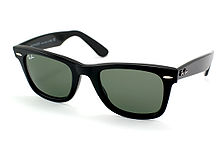
People behaved more selfishly and dishonestly when working in a dimly lit room or when wearing sunglasses

Researchers found that people working in a dimly lit room were more likely to cheat about their own performance on a task in order to earn more money than people working in a well-lit room.

Darkness may create a sense of illusory anonymity that disinhibits self-interested and unethical behaviors. It appears to induce a false sense of concealment, leading people to feel that their identities are hidden.

References:
Dim Lighting and Sunglasses Encourage Unethical Behavior in Study. WebMD.
Image source: Ray Ban Original Wayfarer, Wikipedia, Creative Commons Attribution-Share Alike 3.0 Unported license.

Comments from Twitter and Facebook:

@scanman: RT @DrVes: when working in a dimly lit room http://goo.gl/fb/erLEf

@doctorwhitecoat: Clubbing/bars? RT @DrVes People behaved more selfishly/dishonestly when in a dimly lit room or when wearin sunglasses http://goo.gl/fb/erLEf

Mike Cadogan: "Recently started working in the office with the light on...feeling better and more energetic already, though not sure about the selfish/dishonest part..."

For people with congestive heart failure, a hot dog can trigger a trip to the hospital due to excessive salt

The average daily salt intake in America is one and 1/2 teaspoon a day. This is 3,400 milligrams of sodium a day, or 1,100 milligrams more then the recommended maximum.

For people with congestive heart failure, a salty hot dog can trigger a trip to the hospital.

The experts say the new target for sodium intake should be set at 1,500 milligrams daily.

In a previous study, reducing dietary salt by 3 gm per day (1200 mg of sodium per day) was projected to reduce the annual number of new cases of coronary heart disease by 60,000 to 120,000, stroke by 32,000 to 66,000, and myocardial infarction by 54,000 to 99,000 and to reduce the annual number of deaths from any cause by 44,000 to 92,000. Such an intervention would be more cost-effective than using medications to lower blood pressure in all persons with hypertension.

77% of the salt in the American diet comes from processed food. Only 6% is shaken out at the table, and only 5% is sprinkled during cooking.

Once people cut back on salt -- whether or not they know they are doing it -- they begin to prefer less salt in their food. This happens in a matter of weeks.

For example, alarmed by high death rates from strokes, Portugal plans to decrease salt in bread, blamed for high blood pressure. Portugal has one of the highest mortality rates from strokes in Europe - double that in Spain and 3 times that in France. http://is.gd/ndNv

The daily salt intake in Portugal is a staggering 12.3 grams (ranging from 5.2 to 24.8 gm) http://is.gd/ndQq

References:
Americans Need Help Shaking The Salt Habit - Shots - NPR Health News Blog.
"Food is risky. You can choke on a hot dog, be poisoned by a pizza or die slowly from years of eating too much" - The Economist, 2014 http://buff.ly/1k0lKBY

Image source: Wikipedia, GNU Free Documentation License.

People who get less than 6 hours sleep per night have an increased risk of dying prematurely

People who get less than 6 hours sleep per night had an increased risk of dying prematurely in a recent study. Those who slept for less than that amount of time were 12% more likely to die early, though researchers also found a link between sleeping more than 9 hours and premature death.

The study aggregated decade-long studies from around the world involving more than 1.3 million people and found "unequivocal evidence of the direct link" between lack of sleep and premature death.

Just one sleepless night can hamper the body's ability to use insulin to process sugar in the bloodstream. Insulin sensitivity is not fixed in healthy people, but depends on the duration of sleep in the preceding night.

"Society pushes us to sleep less and less," one of the study investigators said, adding that about 20% of the population in the United States and Britain sleeps less than 5 hours.

Adults typically need between 7 and 9 hours sleep a night. If you sleep little, you can develop diabetes, obesity, hypertension and high cholesterol.

Image source: A halo around the Moon. Wikipedia, GNU Free Documentation License.
Diabetic retinopathy is identified in a third of people with diabetes

Diabetic retinopathy is identified in a third of people with diabetes

Diabetic retinopathy is a common microvascular complication of diabetes, and remains the leading cause of preventable blindness in working-aged people. It is identified in a third of people with diabetes and associated with increased risk of life-threatening systemic vascular complications, including stroke, coronary heart disease, and heart failure.

Optimum control of blood glucose, blood pressure, and possibly blood lipids remains the foundation for reduction of risk of retinopathy development and progression.

Timely laser therapy is effective for preservation of sight in proliferative retinopathy and macular oedema, but its ability to reverse visual loss is poor.

Vitrectomy surgery might occasionally be needed for advanced retinopathy.

New therapies, such as intraocular injection of steroids and antivascular endothelial growth-factor agents, are less destructive to the retina than are older therapies, and could be useful in patients who respond poorly to conventional therapy.

Future treatment modalities include inhibition of other angiogenic factors, regenerative therapy, and topical therapy.

References:
Diabetic retinopathy [Seminar]. Ning Cheung, Paul Mitchell, Tien Yin Wong. Lancet, 2010.
Intensifying glucose control and adding fenofibrate to simvastatin each reduced progression of retinopathy in DM2 http://goo.gl/htHIK
Happiest people are 22% less likely to develop heart disease

Happiest people are 22% less likely to develop heart disease

From WebMD:

Happiest people were 22% less likely to develop heart disease over the 10 years of follow-up than people who fell in the middle of the negative-positive emotion scale.

People with the most negative emotions had the highest risk for heart disease and people who scored highest for happiness had the lowest risk.

Possible explanations for how happiness may protect the heart:

- Healthier lifestyle: Happy people tend to sleep better, eat better, smoke less, and get more exercise.
- Physiological impact: Happiness may produce a host of positive chemical changes -- such a reduction in stress hormones.
- Genetic influences: It could be that people who are predisposed to happiness are also predisposed to have fewer heart attacks.

Devote 15-20 minutes a day to doing something enjoyable and relaxing.

Strategies that could help naturally negative people become happier:

- Express gratitude on a regular basis.
- Practice being optimistic.
- Engage in frequent acts of kindness.
- Visualize one's best self.
- Savor joyful events.
- Practice forgiveness.

Regular exercise, sexual activity and good sleep are associated with increased self-reported happiness.

References:
Experienced happiness is largely set by personality, it will temporarily respond to changing circumstances. The Lancet, 2010. http://goo.gl/ot3Kx
What's the best exercise for heart health? A combination of weight training and aerobic exercise http://goo.gl/h1YKD and bit.ly/on9sNn
Image source: OpenClipArt.org, public domain.

People who brush their teeth less than twice a day have a 70% increased risk of heart disease

A Scottish national population based survey examined if self reported toothbrushing behaviour is associated with cardiovascular disease and markers of inflammation (C reactive protein) and coagulation (fibrinogen).

Participants were 12,000 men and women, mean age 50. Oral hygiene was assessed from self reported frequency of toothbrushing. There were a total of 555 cardiovascular disease events over an average of 8 years of follow-up, of which 170 were fatal.

Participants who reported poor oral hygiene (never/rarely brushed their teeth) had an increased risk of a cardiovascular disease event (hazard ratio 1.7).

They also had increased concentrations of both C reactive protein and fibrinogen.

Poor oral hygiene is associated with higher levels of risk of cardiovascular disease and low grade inflammation, though the causal nature of the association is yet to be determined.

References:
Toothbrushing, inflammation, and risk of cardiovascular disease: results from Scottish Health Survey. BMJ 2010;340:c2451.
Image source: Cross-section of a tooth with visible gums, or gingiva, Wikipedia, GNU Free Documentation License.

Most People Crammed Into A Car: 20 (Guinness World Records Video)

How is a Guinness World Records video relevant to a medical blog? Well, if you have a few minutes to spare and watch some of the videos from the official YouTube channel of Guinness World Records, you can't help but notice that a few of the record attempts definitely look hazardous to the health of the contestants: http://www.youtube.com/user/GuinnessWorldRecords/videos

For example:

Heaviest weight lifted with the eyelid
Car Drawn By Hook Through Mouth
Stretchiest Skin!
Truck Pulled By HAIR?!
Heaviest road vehicle pulled by teeth
Coconut Smashes To The Head?!
Most scorpions in the mouth
Climbing Stairs... WITH YOUR HEAD
Chainsaw Juggling... On A UNICYCLE
CAN CRUSHER
Most pig iron bars broken with the head in one minute
Most boiled eggs swallowed and regurgitated

In this video, 18 members of the Climb Fit Team (all Australia) squeezed into a standard Smart Car on the set of Australia Smashes Guinness World Records, at the Warringah Mall, Sydney, Australia, on 25 January 2010:


The record is now at a limb-bending 20 and was achieved by the Glendale Cheerleading Team (USA) on the set of 'Guinness World Records Gone Wild' at The Staples Center in Los Angeles, USA, on 28 September 2011.

Now, this is impressive: Most consecutive ninety degree push ups. In this video, Christian Bázan (Spain) executed 12 consecutive 90 degree push ups on the set of 'Guinness World Records', Madrid, Spain, on 16 January 2009. The Record now stands at 13 and was achieved by Jesus Villa (USA) in Las Vegas, Nevada, USA on 18 September 2010.

2 in 3 people with known risk factors for COPD don't know they have the disease

One in five heavy smokers over age 40 have findings of COPD, but only one-third have been previously diagnosed with the common lung disease.

10% of people worldwide over the age of 40 are affected by COPD.

Researchers screened 1,003 people aged 40 and over who were current or former heavy smokers. Heavy smoking was defined as a smoking history of 20 pack-years or more.

The results showed that 20.7% of the people screened met the criteria for a diagnosis of COPD but only 32.7% had previously been diagnosed with the disease or were aware of their COPD diagnosis.

References:
Many Unaware They Have COPD. WebMD.
Image source: Lungs, Wikipedia, public domain.