
Showing posts with label Lancet. Show all posts
"Family practitioners in the US are facing extinction. In their place
must come nurse-practitioners" - The Lancet

"Family practitioners in the US are facing extinction. In their place must come nurse-practitioners" - The Lancet

From the Lancet review of the University of Pennsylvania nursing school:

Family practitioners in the US are facing extinction. In their place must come nurse-practitioners. Nurses are better educated to navigate and refer patients to specialists. They don't have any illusions about managing complex illness. Their lower threshold for referral means less risk of missing diagnoses or delaying expert care.

This is one vision for nursing to be found at the University of Pennsylvania's extraordinary School of Nursing.


I'm not sure if this is the best model for primary care in the U.S. What do you think?

References:

Offline: Nursing, but not as you know it. The Lancet, Volume 378, Issue 9805, Page 1768, 19 November 2011.
Image source: OpenClipArt.org, public domain.

Comments from Twitter:

@scanman: Looks like doctors will be an endangered genus in the US within this century

@MGastorf: so disagree. I know that is being pushed but I can provide far more complete care than nurse practitioner.

@davisliumd: Umm, No -> RT @DrVes Family practitioners in the US are facing extinction. In their place must come nurse-practitioners

@davisliumd: Agree -> RT @drves: @davisliumd that was actually a quote from The Lancet, not my opinion: j.mp/w33Kvq.
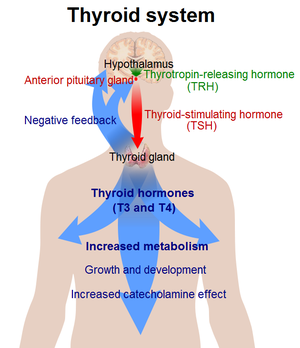

Thyrotoxicosis - Lancet 2012 review

Thyrotoxicosis is a common disorder, especially in women. Thyroid disease affects 7 times more women than men.

Etiology

There are 3 main causes of thyrotoxicosis: Graves' disease, toxic nodular hyperthyroidism, and thyroiditis.

Here are some more details about them:

- Graves' disease (autoimmune hyperthyroidism) is the most frequent cause of thyrotoxicosis
- toxic nodular hyperthyroidism, due to the presence of one or more autonomously functioning thyroid nodules
- thyroiditis caused by inflammation, which results in release of stored hormones

Treatment

The available treatments for thyrotoxicosis have been unchanged for 60 years.

Antithyroid drugs are the usual initial treatment. Thionamides such as carbimazole or its active metabolite methimazole are the drugs of choice.

A prolonged course leads to remission of Graves' hyperthyroidism in only 30% of cases.

Because of this low remission rate in Graves' disease (only 30%) and the inability to cure toxic nodular hyperthyroidism with antithyroid drugs alone, radioiodine is increasingly used as first line therapy. It is the preferred choice for relapsed Graves' hyperthyroidism.

Surgery with total thyroidectomy is an option in selected cases. .

References:

Thyrotoxicosis. The Lancet, Volume 379, Issue 9821, Pages 1155 - 1166, 24 March 2012.

Thyroid disease—more research needed. The Lancet, Volume 379, Issue 9821, Page 1076, 24 March 2012.

Image source: Wikipedia, public domain.

Chronic insomnia - Lancet 2012 review

Insomnia is a common condition that can present independently or comorbidly with another medical or psychiatric disorder.

Treatment of chronic insomnia

Benzodiazepine-receptor agonists (BzRAs) and cognitive-behavioural therapy (CBT) are supported by the best empirical evidence.

Benzodiazepine-receptor agonists (BzRAs) are effective in the short-term management of insomnia, but evidence of long-term efficacy is scarce. Also, most hypnotic drugs are associated with potential adverse effects.

Cognitive-behavioural therapy (CBT) is an effective alternative for chronic insomnia.

CBT is more time consuming than drug management but it produces sleep improvements that are sustained over time.

However, CBT is not readily available in most clinical settings. Access and delivery can be made easier through:

- telephone consultations
- group therapy
- self-help approaches

How to succeed? Get more sleep


In this 4-minute talk, Arianna Huffington (founder of The Huffington Post) shares a small idea that can awaken much bigger ones: the power of a good night's sleep. Instead of bragging about our sleep deficits, she urges us to sleep our way to increased productivity and happiness -- and smarter decision-making.

References:

Chronic insomnia. The Lancet, Volume 379, Issue 9821, Pages 1129 - 1141, 24 March 2012.
Image source: A halo around the Moon. Wikipedia, GNU Free Documentation License.
Myopia - 2012 Lancet review

Myopia - 2012 Lancet review

From the Lancet:

Myopia (nearsightedness) has emerged as a major health issue in east Asia, because of:

- increasingly high prevalence in the past few decades. It now affacts 80-90% in school-leavers.
- sight-threatening pathologies associated with high myopia, which now affect 10-20% of those completing secondary schooling in east Asia.

Similar, but less marked, changes are occurring in other parts of the world.

The higher prevalence of myopia in east Asian cities seems to be associated with increasing educational pressures, combined with life-style changes, which have reduced the time children spend outside.

There are no reported major genes for school myopia, although there are several genes associated with high myopia. Any genetic contribution to ethnic differences may be small.

There are some optical and pharmacological interventions that seem promising for preventing the development of myopia or slowing its progression, but the evidence is still preliminary.

References:

Myopia. Prof Ian G Morgan PhD a b , Prof Kyoko Ohno-Matsui MD c, Prof Seang-Mei Saw PhD. The Lancet, Volume 379, Issue 9827, Pages 1739 - 1748, 5 May 2012.
Nearsighted kids may get worse in winter http://trib.in/VcvmC1 -- Myopia progression seem to decrease in periods with longer days and to increase in periods with shorter days. Children should be encouraged to spend more time outside during daytime to prevent myopia (study) http://buff.ly/X1cFSm
Image source: OpenClipArt.org

Age-related macular degeneration - 2012 Lancet review

From the The Lancet:

Age-related macular degeneration is a major cause of blindness worldwide. With ageing populations in many countries, more than 20% might have the disorder.

Advanced age-related macular degeneration is associated with progressive visual impairment. It includes two subtypes:

- neovascular age-related macular degeneration (wet)
- geographic atrophy (late dry) macular degeneration

What are the risk factors for macular degeneration?

Major risk factors include:

- cigarette smoking
- nutritional factors
- cardiovascular diseases
- genetic markers, including genes regulating complement, lipid, angiogenic, and extracellular matrix pathways

How to diagnose macular degeneration?

Accurate diagnosis combines clinical examination and investigations including:

- retinal photography
- angiography
- optical coherence tomography

What is the treatment for macular degeneration?

Dietary anti-oxidant supplementation slows progression of the disease.

Treatment for neovascular age-related (wet) macular degeneration includes intraocular injections of anti-VEGF agents. The two commonly used anti-VEGF therapies, ranibizumab and bevacizumab, have similar efficacy.

Future treatments include inhibition of other angiogenic factors, and regenerative and topical therapies.

References:

Age-related macular degeneration. The Lancet, Volume 379, Issue 9827, Pages 1728 - 1738, 5 May 2012.
Image source: Wikimedia Commons.
Autoimmune hepatitis - 2013 Lancet review

Autoimmune hepatitis - 2013 Lancet review

In common with many autoimmune diseases, autoimmune hepatitis is associated with non-organ-specific antibodies in the context of hepatic autoimmunity.

Autoimmune hepatitis can present in acute or chronic forms.

Remission is achievable in up to 85% of cases. For the remaining patients, immunosuppression is an option.

Liver transplantation provides an excellent outcome for patients with acute liver failure or complications of end-stage liver disease, including hepatocellular carcinoma.

References:

Autoimmune hepatitis: The Lancet http://bit.ly/1aApnxp

Male hypogonadism - 2014 Lancet review

Clinical presentations vary dependent on:

- time of onset of androgen deficiency
- whether the defect is in testosterone production or spermatogenesis
- associated genetic factors
- history of androgen therapy

Diagnosis of hypogonadism is made on the basis of:

- signs and symptoms consistent with androgen deficiency
- low morning testosterone concentrations in serum on multiple occasions

Several testosterone-replacement therapies are approved.

Contraindications to testosterone-replacement therapy include:

- prostate and breast cancers
- uncontrolled congestive heart failure
- severe lower-urinary-tract symptoms
- erythrocytosis

References:

Male hypogonadism - The Lancet http://bit.ly/1eh9f3R
Image source: The shield and spear of the Roman god Mars, which is also the alchemical symbol for iron, represents the male sex. Wikipedia, public domain.

Sarcoidosis - 2014 Lancet review

Sarcoidosis is a systemic disease of unknown cause that is characterised by the formation of immune granulomas in various organs, mainly the lungs and the lymphatic system.

Sarcoidosis might be the result of an exaggerated granulomatous reaction after exposure to unidentified antigens in individuals who are genetically susceptible.

Diagnosis is made by symptoms, PFTs, CXR, CT, endobronchial ultrasound and PET for assessment of inflammatory activity.

Recognition of unexplained persistent disabling symptoms, fatigue, small-fibre neurological impairment, cognitive failure, and changes to health state and quality of life, has improved.

Mortality in patients with sarcoidosis is higher than that of the general population, mainly due to pulmonary fibrosis.

References:

Sarcoidosis - The Lancet http://bit.ly/1eh9I5S
Image source: Lungs, Wikipedia, public domain.

Related:

Lung cancer - Lancet review

Lung cancer - Lancet review

Small-cell lung cancer

Diagnosis relies on histology, with the use of immunohistochemical studies to confirm difficult cases.

Typical patients are men older than 70 years who are current or past heavy smokers and who have pulmonary and cardiovascular comorbidities.

Patients often present with rapid-onset symptoms due to:

- local intrathoracic tumour growth
- extrapulmonary distant spread
- paraneoplastic syndromes
- a combination of these features

Staging aims ultimately to define disease as metastatic or non-metastatic:

- Combination chemotherapy (platinum-based plus etoposide or irinotecan) is the mainstay first-line treatment for metastatic small-cell lung cancer.

- For non-metastatic disease, early concurrent thoracic radiotherapy is indicated.

Prophylactic cranial irradiation should be considered for all patients, even without metastases, whose disease does not progress after induction chemotherapy and radiotherapy.

Despite high initial response rates, most patients eventually relapse. Except for topotecan, few treatment options then remain.

Non-small-cell lung cancer (NSCLC)

The recently introduced 7th edition of the TNM classification relates better to other prognostic factors such as biological markers.

The advances in treatment include:

- a new generation of chemotherapy agents
- a proven advantage to adjuvant chemotherapy after complete resection for specific stage groups
- new techniques for radiotherapy
- new surgical approaches

References:

Small-cell lung cancer. The Lancet, Volume 378, Issue 9804, Pages 1741 - 1755, 12 November 2011

Non-small-cell lung cancer. The Lancet, Volume 378, Issue 9804, Pages 1727 - 1740, 12 November 2011

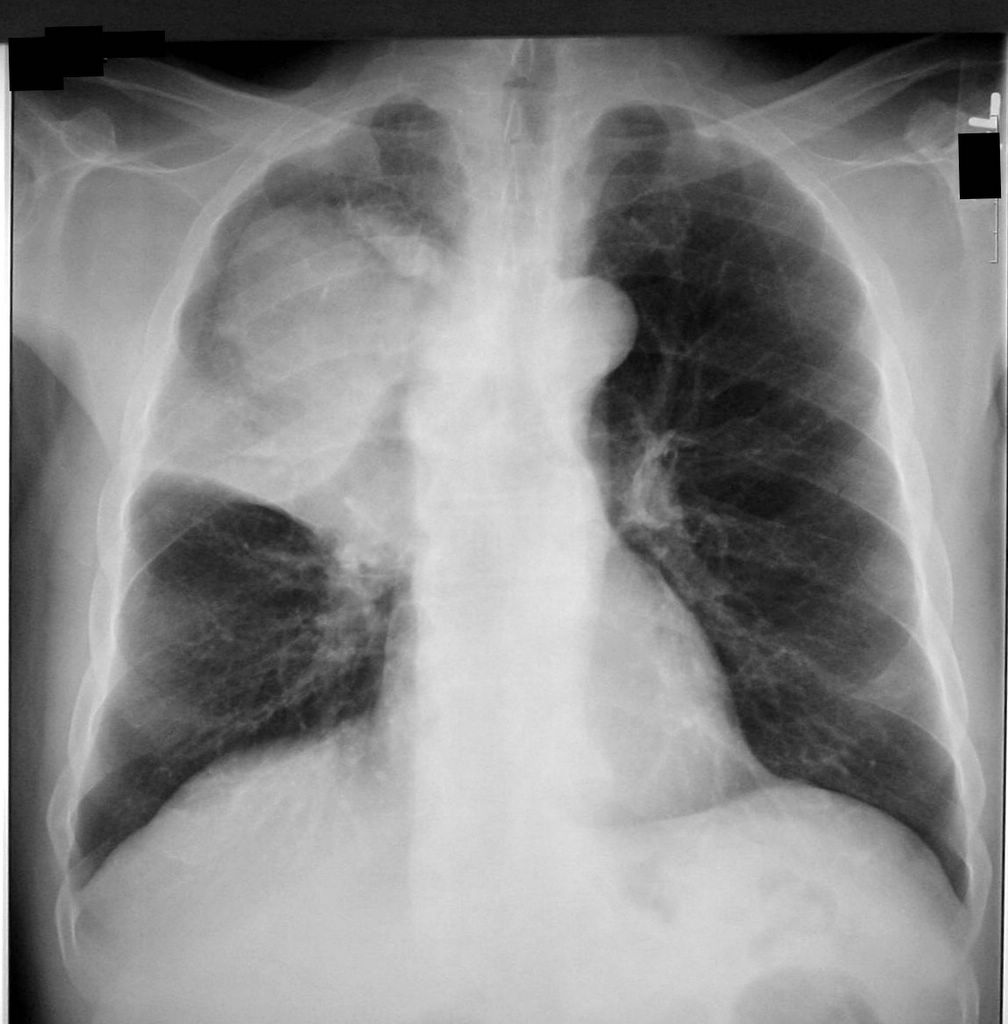
Image source: A CXR shows a right upper lobe (RUL) mass due to lung cancer. Source: Finger Clubbing due to Lung Cancer. Clinical Cases and Images.

Pathogenesis of idiopathic pulmonary fibrosis - 2011 Lancet review

Idiopathic pulmonary fibrosis (IPF) is a devastating, age-related lung disease of unknown cause that has few treatment options.

IPF was once thought to be a chronic inflammatory process, but current evidence indicates that the fibrotic response is driven by abnormally activated alveolar epithelial cells (AECs).


Interstitial Lung Diseases (ILD) (click to enlarge the image).

Alveolar epithelial cells (AECs) produce mediators that induce the formation of fibroblast and myofibroblast foci through:

- proliferation of mesenchymal cells
- attraction of circulating fibrocytes
- stimulation of the epithelial to mesenchymal transition

The fibroblast and myofibroblast foci secrete excessive amounts of extracellular matrix (collagen), resulting in scarring and destruction of the lung architecture.


Mechanisms of IPF (click to enlarge the image). Image source: PLoS Medicine, Creative Commons license.

References:

Idiopathic pulmonary fibrosis. The Lancet, Volume 378, Issue 9807, Pages 1949 - 1961, 3 December 2011.

Interstitial Lung Diseases (ILD)
African trypanosomiasis - killer coma - the evolving story of sleeping
sickness (Lancet review)

African trypanosomiasis - killer coma - the evolving story of sleeping sickness (Lancet review)

Human African trypanosomiasis (sleeping sickness) occurs in sub-Saharan Africa. It is caused by the protozoan parasite Trypanosoma brucei, transmitted by tsetse flies.

With 12,000 cases of this disabling and fatal disease reported per year, trypanosomiasis belongs to the most neglected tropical diseases.

Life cycle of the Trypanosoma brucei parasites. Source: CDC, Wikipedia, public domain.

The clinical presentation is complex, and diagnosis and treatment difficult. The available drugs are old, complicated to administer, and can cause severe adverse reactions.

Imagine a disease that starts with a fly's bite and ends in death. The first stage of this disease causes non-specific symptoms such as itching and joint pains. If left untreated, it progresses to the second stage weeks, months, or even years later in which the affected person displays dramatic neurological and psychiatric symptoms before slipping into a fatal coma.

New diagnostic methods and safe and effective drugs are urgently needed. There is no field-friendly diagnostic test.  Until recently, the most effective treatment for the second stage as almost as dangerous as the disease.

Vector control, to reduce the number of flies in existing foci, needs to be organised on a pan-African basis.

References:
[Seminar] Human African trypanosomiasis. Reto Brun, Johannes Blum, Francois Chappuis, Christian Burri. The Lancet, Jan 2010.
Killer coma: the evolving story of sleeping sickness treatment. The Lancet, Volume 375, Issue 9709, Page 93, 9 January 2010.
The Lancet is alive and kicking on social media networks

The Lancet is alive and kicking on social media networks

As per its editor Richard Horton, the journal Lancet is alive and kicking on social media networks with a Twitter and Facebook pages. He commented on the social media involvement of the journal on the regular podcast available from the links below:
Preventing diabetes, biological passport for athletes and more from the
Lancet

Preventing diabetes, biological passport for athletes and more from the Lancet

Low-dose combination therapy with rosiglitazone and metformin was highly effective in prevention of type 2 diabetes in patients with impaired glucose tolerance, with little effect on the clinically relevant adverse events of these two drugs.

Preventing type 2 diabetes with low-dose combinations: Lifestyle interventions aimed at reducing bodyweight, and use of metformin, thiazolidinediones, acarbose, and orlistat, reduce the risk of diabetes by 25—60% over 3—6 years

The biological passport and doping in athletics: A biological passport monitors an athlete's blood and body chemistry values over time to assess whether there has been a deviation from an established baseline, thus indirectly detecting illegal manipulation.

A long look at obesity: Even with their primitive understanding of nutrition, our neolithic forebears somehow made the “right choices”, thriving on a wholesome diet of nuts, seeds, and fruits with the occasional piece of meat. And what is more, their rare intake of animal protein could only have been obtained through vigorous exercise, which they would, of course, indulge in every day.
The Lancet: Nephrology is not for normal doctors - it is for
exceptionally skilled specialist physicians

The Lancet: Nephrology is not for normal doctors - it is for exceptionally skilled specialist physicians


Many doctors may view nephrology as a remarkable kind of intensive care. A patient presents in an acute crisis, close to death. Immediate transfer to the renal team follows, then the magical effects of dialysis, and finally recovery. Nephrology is not for normal doctors. The kidney is for exceptionally skilled specialist physicians.

Unlike fish, mammals do not seem to have renal regenerative capacity.

The silence of the kidney leads medicine to overlook its importance. This lack of awareness means that immense opportunities to prevent not only renal, but also cardiovascular, diseases are being lost.

Image source: Wikipedia, public domain.

The Lancet: Commonest cause of maternal death is post-partum haemorrhage - one woman dies every 7 minutes

99% of all deaths in childbirth are in the least developed countries - 45 million women deliver without a skilled birth attendant every year, a situation in which the greatest number of maternal deaths occur.

The commonest single cause of maternal death is from post-partum haemorrhage, from which one woman dies every 7 minutes.


Health Technologies to Save Mothers. PATH.org video.

References:
Maternal mortality: one death every 7 min. The Lancet, Volume 375, Issue 9728, Pages 1762 - 1763, 22 May 2010.

Decompression illness - Lancet review

Decompression illness is caused by intravascular or extravascular bubbles that are formed as a result of reduction in environmental pressure (decompression).

Types of decompression illness

The term decompression illness covers 2 entities:

- arterial gas embolism, in which alveolar gas or venous gas emboli (via cardiac shunts or via pulmonary vessels) are introduced into the arterial circulation

- decompression sickness, which is caused by in-situ bubble formation from dissolved inert gas

Both syndromes can occur in divers, compressed air workers, aviators, and astronauts, but arterial gas embolism also arises from iatrogenic causes unrelated to decompression.

Risk of decompression illness is affected by immersion, exercise, and heat or cold.

Clinical features of decompression illness

Manifestations of this condition include a wide range of symptoms and signs:

- itching and minor pain
- neurological symptoms
- cardiac collapse
- death

Treatment of decompression illness

First-aid treatment is 100% oxygen. Definitive treatment is recompression to increased pressure, breathing 100% oxygen.

Adjunctive treatments include fluid administration and prophylaxis against venous thromboembolism in paralysed patients.

Prognosis of decompression illness

Treatment is effective in most cases although residual deficits can remain in serious cases, even after several recompressions.

References:
Decompression illness. The Lancet, Volume 377, Issue 9760, Pages 153 - 164, 8 January 2011.
Image source: OpenClipArt.org, public domain.

Chronic pancreatitis - The Lancet review

There are two forms of chronic pancreatitis

Chronic pancreatitis is a progressive fibroinflammatory disease that exists in 2 forms:

- large-duct forms (often with intraductal calculi)
- small-duct form

Causes of chronic pancreatitis

Chronic pancreatitis results from a complex mix of:

- environmental factors - alcohol, cigarettes, and occupational chemicals
- genetic factors - mutation in a trypsin-controlling gene or the cystic fibrosis transmembrane conductance regulator (CFTR)
- a few patients have hereditary or autoimmune disease

Management of pain

Pain is the main symptom that occurs in two forms:

- recurrent attacks of pancreatitis (representing paralysis of apical exocytosis in acinar cells)
- constant and disabling pain

Management of the pain is mainly empirical, involving:

- potent analgesics
- duct drainage by endoscopic or surgical means
- partial or total pancreatectomy
- steroids rapidly reduce symptoms in patients with autoimmune pancreatitis
- micronutrient therapy to correct electrophilic stress is emerging as a promising treatment

Steatorrhoea, diabetes, local complications, and psychosocial issues associated are additional therapeutic challenges.

References

Chronic pancreatitis. Dr Joan M Braganza DSc a , Stephen H Lee FRCR b, Rory F McCloy FRCS c, Prof Michael J McMahon FRCS d. The Lancet, Volume 377, Issue 9772, Pages 1184 - 1197, 2 April 2011.
Pancreatitis - JAMA Patient Page, 2012.
Image source: Wikipedia, public domain.

Post-splenectomy and hyposplenism - Lancet review

The spleen links innate and adaptive immunity.

The impairment of splenic function is defined as hyposplenism. The term asplenia refers to the absence of the spleen, a condition that is rarely congenital and mostly post-surgical.


Spleen. Image source: National Cancer Institute and Wikipedia, public domain.

Complications of hyposplenism and asplenia

Hyposplenism and asplenia might predispose individuals to thromboembolic events. However, infectious complications are the most widely recognised consequences of these states.

Splenectomy and hyposplenism are associated with infections by encapsulated bacteria with high mortality, fulminant course, and refractoriness to common treatment.

Prevention through vaccination and antibiotic prophylaxis is the basis of management.

References:
Post-splenectomy and hyposplenic states. Antonio Di Sabatino MD, Rita Carsetti MD, Prof Gino Roberto Corazza MD. The Lancet, Volume 378, Issue 9785, Pages 86 - 97, 2 July 2011.